Millions of us log our periods, moods and symptoms in an app. Before you choose one, it helps to know two things: how much the app can really tell you, and where your information goes once you have typed it in. This guide is built only on regulators’ pages, the research itself and the companies’ own words, each linked at the end. We have not tested these apps by hand yet, and we do not call any app safe.
What is changing now: Google and Flo
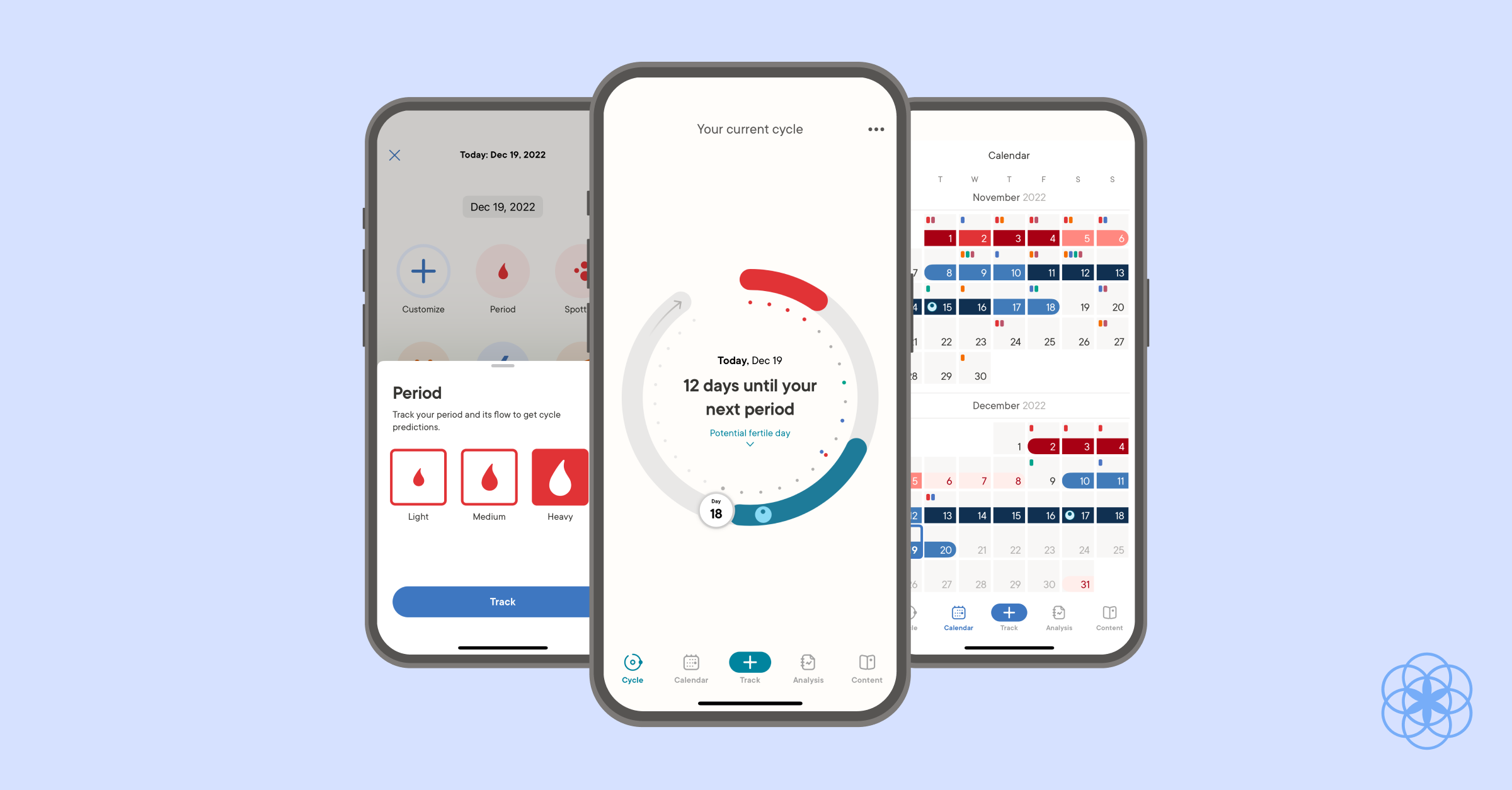
On 13 October 2026 TechRepublic reported that Google has invested in Flo Health, which it says has more than 80 million monthly users. Flo plans to connect its cycle data with Google’s health platform from early 2027, alongside wearable readings such as sleep, resting heart rate and skin temperature.
Both companies say sharing will need your explicit consent for each type of data and each purpose, and that you can withdraw it at any time. Google says Flo data shared with its health platform will not be used for advertising or sold. As TechRepublic points out, these are promises from the companies, so it is worth checking the settings when the feature arrives.
What the apps can and cannot tell you
On 30 September 2026 a group of researchers led by Katharine Lee wrote in The BMJ that neither menstrual tracking nor "cycle syncing" (changing your food and exercise to fit your cycle) has been convincingly shown to improve health or performance.
They explain that most apps guess your cycle phase by counting forward from the first day of your period. That is imprecise, because the day you ovulate varies, hormones change from one cycle to the next, and cycles without ovulation are common. They also note that a simple tracking app cannot diagnose conditions such as endometriosis.
The same paper lists the risks they see: wasted time and effort, unwanted surveillance, risks to the privacy of your health data, possible criminalisation where abortion is a crime, and distraction from what really shapes women’s health. Among their suggestions: stronger protection for consumer and employee data, clearer labels on how data is used, and doctors recommending apps only when they meet strict standards.
Why your cycle data is special
In the UK, the Information Commissioner’s Office (ICO) says health data is "special category data" under UK GDPR, which gets extra protection because misuse could open someone up to discrimination. The ICO says health data includes data from fitness trackers and medical devices, and that pregnancy can count when it reveals something about a person’s health.
In the US, the Federal Trade Commission (FTC) updated its Health Breach Notification Rule in April 2024 to make clear it covers health apps that are not covered by HIPAA, the US health privacy law. Apps it covers must tell users, the FTC and sometimes the media when health data leaks or is shared without permission. The FTC said it had already taken action under this rule against GoodRx and against Easy Healthcare, which publishes the Premom ovulation app.
What went wrong before: Flo and the FTC
In June 2021 the FTC finalised a settlement with Flo Health. The FTC alleged that, despite promising to keep health data private, Flo shared sensitive health data from millions of users of its Flo Period & Ovulation Tracker with marketing and analytics firms, including Facebook and Google.
Under the order, Flo must get users’ consent before sharing their health information, have its privacy practices reviewed independently, tell affected users what happened, and tell any company that received the data to destroy it.
Flo’s own privacy pages now say it removed the Facebook Analytics tool in 2019 after feedback, and that it settled with the FTC to avoid the costs of going to court.
In the courts and with regulators
Each line says what kind of source it is, so you can weigh it yourself.
Reported by IBTimes UK (news), 7 October 2026: in a US class action, Frasco v. Flo Health, a San Francisco jury found on 1 August 2025 that Meta had breached the California Invasion of Privacy Act by intercepting Flo users’ reproductive health data without consent, through tracking tools built into the app. IBTimes UK reported that the judge later declined to overturn the verdict, that damages had not yet been set, and that Meta was expected to appeal.
Reported by Courthouse News Service (news), 29 October 2026: in the same case Google agreed to pay $48 million and Flo Health $8 million to settle, and Flo settled mid-trial and admitted no wrongdoing. IBTimes UK reported that Google, Flo and the analytics firm Flurry all deny any wrongdoing.
Regulator (Information Commissioner’s Office, UK), 7 September 2023: the ICO said it was reviewing period and fertility apps and had contacted companies, including some of the most popular apps used in the UK, to find out how they process personal information. A poll it commissioned found women rated transparency over how their data was used (59%) and how secure it was (57%) as bigger concerns than cost (55%) and ease of use (55%), and 54% of app users believed they had noticed more baby or fertility adverts since signing up, with 17% finding that distressing. The ICO said it would explore next steps once it had more information. We could not find a published outcome of the review.
Regulator (Advertising Standards Authority, UK), 29 August 2018: the ASA upheld complaints about a paid Facebook post for Natural Cycles seen in July 2017. It found the claims "Highly accurate contraceptive app" and "Clinically tested alternative to birth control methods" misleading, while saying the evidence showed the app could be effective as a method of birth control. It told the company not to state or imply the app was a highly accurate method of contraception.
Is it a medical device? (software as a medical device)
Regulator (FDA): software as a medical device is, in the words of the International Medical Device Regulators Forum that the FDA quotes, "software intended to be used for one or more medical purposes that perform these purposes without being part of a hardware medical device."
Regulator (MHRA, UK): the MHRA says many software and AI products used in health and care are regulated as medical devices in the UK, and it publishes guidance on when an app counts as one (page updated 3 February 2025).
Regulator (FDA): its general wellness guidance (the version we read is dated September 2019) says that under US law, software meant for keeping or encouraging a healthy lifestyle, and unrelated to diagnosing, curing, easing, preventing or treating a disease or condition, is not a medical device.
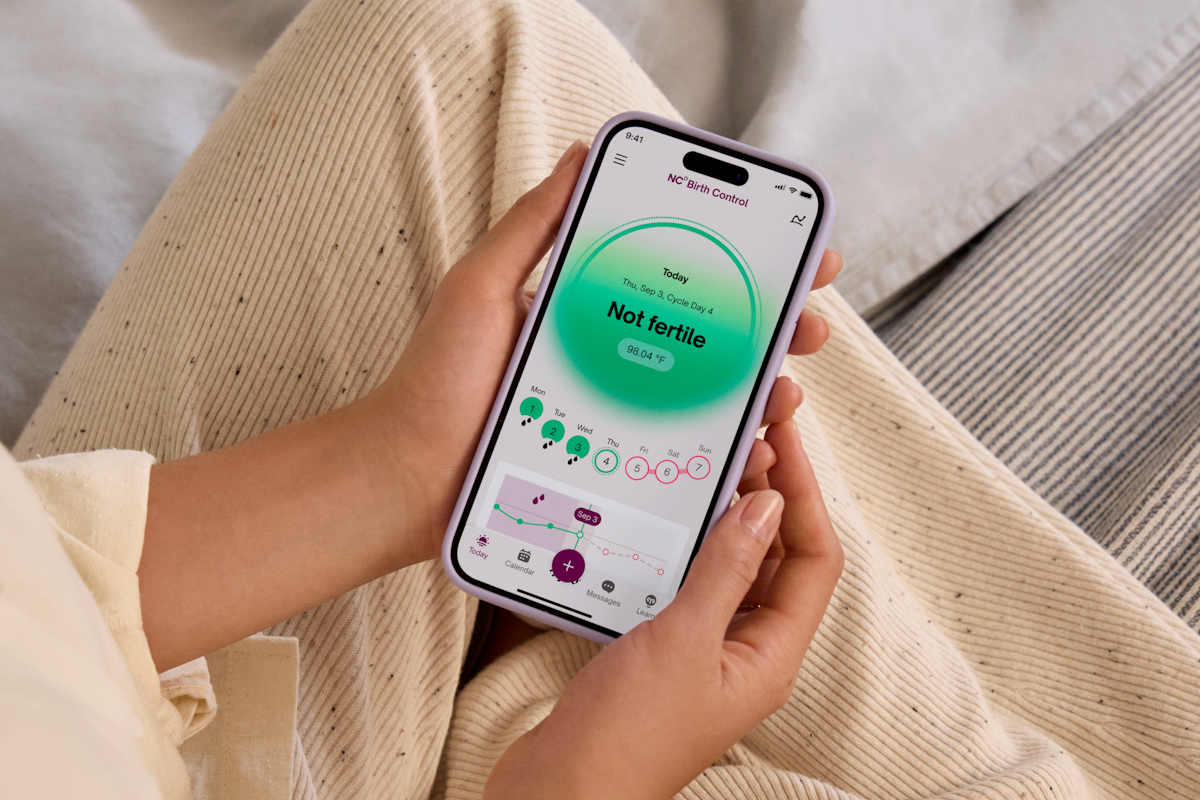
FDA record: on 10 August 2018 the FDA granted Natural Cycles marketing through its De Novo route, for novel low to moderate risk devices, as the first app that can be used as contraception to prevent pregnancy, for women aged 18 and over who have not reached the menopause. The FDA reported a perfect-use failure rate of 1.8 percent and a typical-use failure rate of 6.5 percent over a year, and said no form of contraception works perfectly. FDA records list five later 510(k) clearances for Natural Cycles, the latest on 17 July 2026.
FDA record: a product called Clue Birth Control, from Biowink GmbH, was cleared through 510(k) on 18 February 2021, under the same regulation as Natural Cycles.
Company statement, recorded in the ASA ruling (2018): Natural Cycles told the ASA its app was CE marked and certified as a class IIb medical device for contraceptive or conceptive planning, and had been sold as a contraceptive since February 2017.
What a clearance tells you: the FDA says the rules it set for contraception apps are about accuracy, reliability and effectiveness in preventing pregnancy, for the use the app is cleared for. It is not a privacy review. Flo’s 2021 FTC order and the Frasco case were about data sharing, which is a separate question.
What to check before you download
Read who the data goes to. A good privacy policy names the companies that receive your data and why. Clue’s policy, for example, asks for separate consent for research sharing, for analytics and for product recommendations, and says the health data you track is never shared with or sold to advertisers. It also says Clue uses advertising tools, such as Adjust with your phone’s advertising ID, to measure its own ads, and that you can opt out in the app’s privacy settings.
Look for a way to use the app without your name. Flo offers Anonymous Mode, which it says stops your name, email and internet address being linked to your health data. Read the trade-offs first: Flo says switching is permanent and some features stop working.
Check you can take your data with you and delete it. Flo says you can export your data and delete your account and its data.
Check what it connects to. If an app reads from or writes to Apple Health or Android’s Health Connect, you choose which data it sees. Our setup guides show where.
Be wary of big promises. The BMJ authors found little evidence for claims about cycle syncing, training or diet.
Look for the clearance or UKCA/CE mark for the use you need, and check the privacy policy separately.
What we know about the apps we list
Flo: the FTC order of June 2021 above; Anonymous Mode is available to all users, Flo says; and the Google investment announced in October 2026.
Clue: its privacy policy, last updated 29 September 2026, asks for consent under GDPR before it processes your health data and lets you turn research sharing, analytics and recommendations on or off.
Natural Cycles: cleared by the FDA as a contraceptive app in 2018, with later clearances, and the subject of the 2018 ASA ruling above. We have not found a regulator’s finding about how it handles data.
Every other app in our directory: we have not found a regulator’s finding about how they handle data in the sources we could read. That is not a safety rating, and we will add anything we find, with its source.
Do this today
1. Open your period app’s privacy settings and turn off anything you did not choose: research sharing, analytics, personalised recommendations and advertising measurement.
2. On iPhone, open Health, tap your profile, then under Privacy tap Apps, and check which apps can read your cycle data. On Android, open Health Connect and check App permissions.
3. Use a passcode or Face ID on your phone. Apple says health data in the Health app is encrypted when the phone is locked.
4. If you stop using an app, delete your account inside the app, not just the app itself.
5. Before trusting a prediction for something that matters, such as avoiding or planning a pregnancy, talk to a nurse, GP or pharmacist.