AfroTech's tenth conference in Houston, 2 to 6 November 2026, drew 35,000 people and opened a two-day HealthStack conference, presented by Sanofi, on clinical AI, digital health, maternal health and patient care. One session, Bad Data Is Costing Black Lives, looked at bias in medical data and gaps in patient outcomes.
At a Daejeon conference run by the Center for Women-Owned Business Support, a Korea Women's Development Institute fellow projected the global femtech market growing from about $10.7 billion in 2026 to $41.1 billion in 2034, while women's health drew only about 6% of private healthcare investment over five years. The centre runs 230 incubators for women-owned businesses.
Graduate researchers at Northeastern University's Archimedes Center found 20 vulnerabilities in the Mira Ultra 4 hormone and ovulation tracker and its app, enough to take over the device and app; over 600,000 accounts could have been exposed when they tested. They reported them to the FDA and the maker, Quanovate Tech, which said it had issued a fix through software updates.
Wellcome Care Group launched Wellcome at AfroTech 2026, connecting students at historically Black colleges and universities with licensed clinicians who share their culture, with an AI assistant to help care coordinators. It cites federal data that 38.5% of Black adults with a mental illness received treatment in the past year, against 57.9% of White adults.
Hailey Bieber's beauty brand Rhode unveiled a $5 million grant and partnership with the Foundation for Women's Health to advance women's health research and innovation, through its Futures Fund.
Willow, maker of the wearable breast pump, bought Swehl, a breastfeeding education platform, and Momtech, maker of Momi bottles, a year after buying the UK pump maker Elvie. Swehl co-founder Betsy Riley joins Willow as head of marketing. New chief executive Carolin Archibald, who succeeded Sarah O'Leary, said the aim is a maternal health brand moms trust for education and community as well as products.
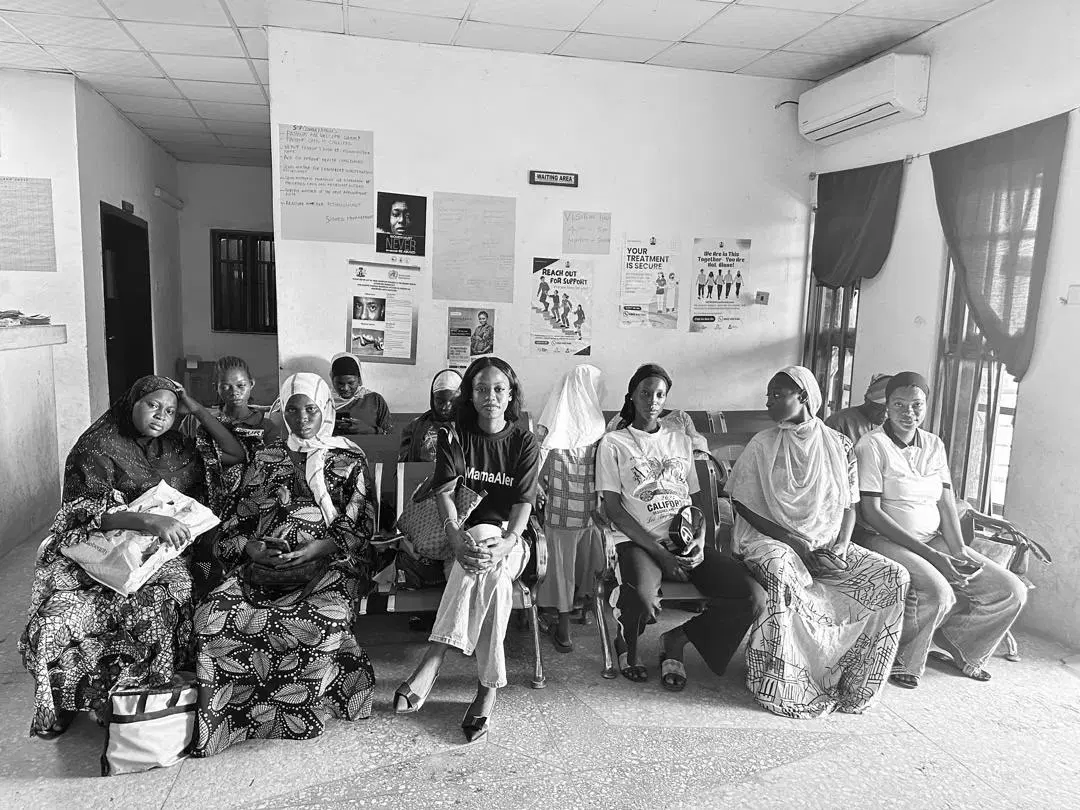
Nigerian startup MamaAlert, founded in October 2025 by Boluwatife Zainab Adeagbo, began as a one tap alert for maternal emergencies and now adds menstrual tracking, pregnancy monitoring, symptom logging, appointment reminders and infant vaccination tracking, with core safety features free.
An executive order set up a new division for women's health within the National Institutes of Health, to be created within 90 days, to study understudied conditions in women, improve diagnosis and treatment and strengthen the inclusion of women and girls in clinical trials. It does not replace the Office of Research on Women's Health.
Upstart Impacts, led by president Karina Sotnik, launched the Women's Health Innovation Program: ten Pennsylvania companies, femtech and beyond, from February to September 2027, with mentors, investors and clinicians. Applications are open until 15 December 2026.
Allara, founded by Rachel Blank after years seeking answers about her own PCOS, raised $30 million, bringing its total to $75 million. Its insurance-covered virtual practice pairs women's health clinicians with dietitians and has treated more than 120,000 women; 69% of members with irregular cycles reported more regular periods.
Collective X Health launched with $3.2 million in funding to expand its women's health intelligence platform, which licenses research on female physiology to businesses.
Google is investing in Flo Health to connect menstrual cycle tracking with wearable data, expand women's health research and develop personalised AI tools.
Clue now connects users in the UK, US and Germany with vetted partners for contraception, conception, metabolic and mental health, perimenopause and at-home testing, including Hertility, with Novo Nordisk on metabolic health. In a Clue survey of almost 12,000 users, two thirds reported concerns about their menstrual health and most were managing symptoms on their own. Rhiannon White is Clue's chief executive.
Google, Flo Health and Flurry settled a lawsuit alleging that code in the Flo app recorded users' health information without consent; they deny wrongdoing. Google pays $48 million, Flo $8 million and Flurry $3.5 million. US users who entered period or pregnancy data between November 2016 and February 2019 could claim.
The Society for Women's Health Research is pressing for a $20 billion, ten-year federal road map for women's health research, education and training, backed by more than 60 health organisations. It notes that women's health had 13% of the NIH budget when the society launched in 1989 and has less than 10% now, and that NIH only had to include women in clinical research from 1993.
Experts writing in The BMJ argue that digital menstrual tracking, widely promoted to women and girls on social media and by tech firms, needs greater scrutiny, as it risks creating more harm than benefit.
Fort Worth Mayor Mattie Parker spoke about the North Texas Maternal Health Accelerator at TCU's medical school as Fort Worth received a $4 million boost for maternal health.
Diagnosis takes seven to nine years on average and often needs surgery. Start-ups now offer tests using saliva, blood or gut signals, each backed by at least one study it ran or funded, but experts including University of Cincinnati researcher Katie Burns say the evidence is still limited, and the FDA has approved no non-invasive endometriosis test.
The Gates Foundation and the MTN Group Foundation launched a four year, $25 million partnership for an AI maternal health platform that aims to reach 500,000 women in Nigeria by 2030.
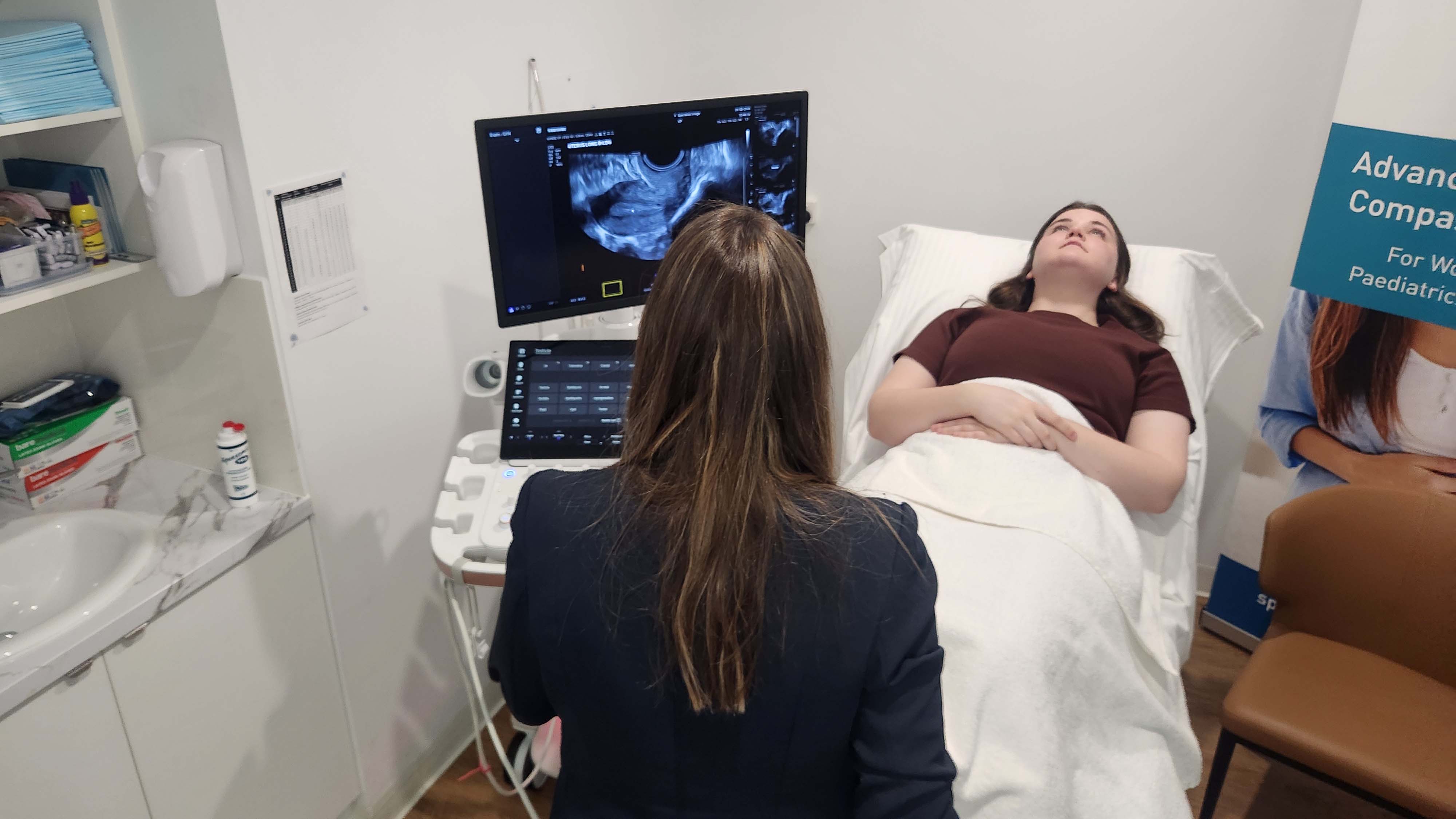
EndoFusion, an AI framework from the IMAGENDO study led by Adelaide University researchers, identified two major indicators of advanced endometriosis in pelvic scans in 18 milliseconds, trained on more than 9,000 MRI scans and 800 ultrasound scans.
The Senate Special Committee on Aging, chaired by Rick Scott with ranking member Kirsten Gillibrand, held Congress's first hearing on menopause on 16 September and asked for a review of how federal menopause research and care are funded. Jennifer Weiss-Wolf urged investment in research and training.
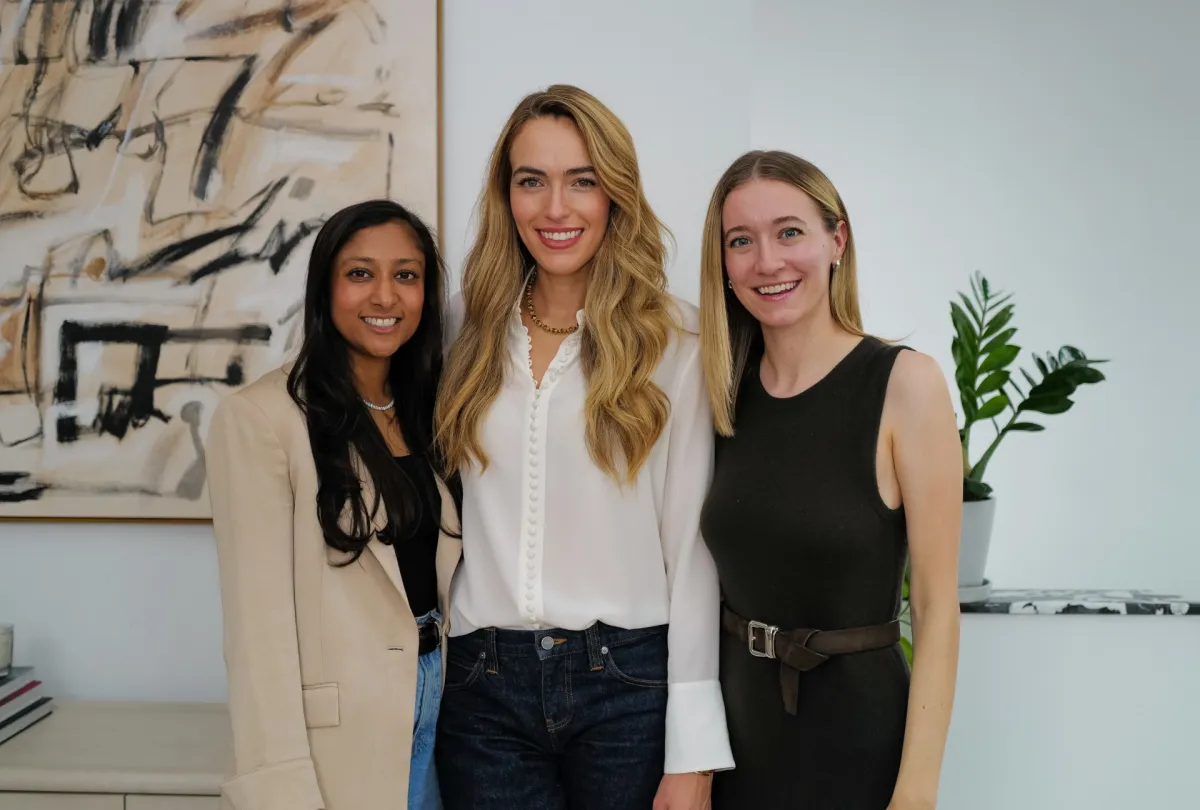
Evvy, launched in 2021 by Priyanka Jain, Laine Bruzek and Pita Navarro, raised a $40 million Series B led by Catalio Capital Management. It says it serves more than 100,000 patients across the United States through its at-home vaginal microbiome test.
Phil and Penny Knight pledged $1.1 billion to Providence, which will build Oregon's first hospital focused on women's health at Providence St. Vincent Medical Center in Portland, covering gynecology, pregnancy, labor and delivery, menopause and cardiovascular care.
Ulta Beauty's first partnership with a women's healthcare platform puts five Midi Health supplements for perimenopause and midlife in more than 300 stores from 27 September 2026, with seven online. Midi, led by chief executive and co-founder Joanna Strober, is a menopause telehealth company covered by most major US insurance plans.